1.2Consequences of Inadequate Water Treatment
Consequences of inadequate water treatment
The consequences of incomplete or inadequate water treatment for feed water of sterilization steam can sometimes be visually identified at various system locations immediately after sterilization. Therefore, regular water quality testing is particularly important.
The consequences of incomplete or inade- quate water treatment in the case of feed water for sterilization steam can thus sometimes be visually recognised in various system locations immediately following sterilization. For this reason, it is particularly important to regularly test the water quality.
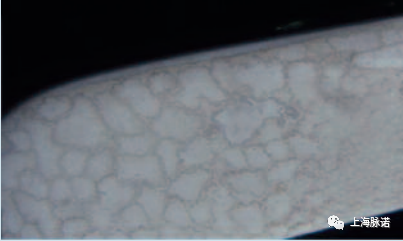
Figure 4: Salt residues (Salt residues )
2.Stainless Steel-A Brief Lesson in Materials Science
Stainless steel – a brief lesson in materials science
In addition to the main alloying element iron (Fe content normally >50%), non-corroding (corrosion-resistant) iron-based stainless steel alloys also contain additives from various alloying elements such as chromium, nickel, manganese, and in some cases, molybdenum, etc., for the following purposes:
➡ To obtain the desired performance characteristics (e.g., corrosion resistance)
➡ To ensure the desired working properties
➡ To provide specific physical properties, such as strength and hardness
In addition to the main alloying element iron (Fe content normally > 50%), non-corroding (rust-resistant) iron-based stainless steel alloys also contain additives from various alloying elements such as chromium, nickel, manganese and, in some cases, molybdenum, etc. for the following purposes:
➡ To obtain the desired performance characteristics (for example, corrosion-resistance)
➡ To ensure the desired working properties
➡ To provide specific physical properties, such as strength and hardness
The technical literature in this field describes a large number of available iron-based stainless steel alloys, specified by DIN EN standards (such as 10020, 10027-1 and -2, 10028, and 10088-1, -2 and -3) according to the different alloying elements in the alloy composition.based onDIN ENstandards(such as10020,10027-1and-2,10028and10088-1,-2and-3)the different alloying elements in the specified alloy composition.
The technical literature in this field describes a vast number of available iron-based stainless steel alloys along with the different alloying elements in the alloy composition specified by DIN EN standards such as 10020, 10027-1 and -2, 10028, and 10088-1, -2 and -3.
The term"stainless steel alloy"will be used below to generallyrefer toall non-corrosion stainless steels, such as1.4301,1.4404and other similar steels. Generally, a distinction is made between austenitic, ferritic, martensitic, and ferritic-martensitic duplexalloys.They differ in their different grades of corrosion resistance.
The term 'stainless steel alloy' will be used throughout the text below to generally denote all non-corroding stainless steel such as 1.4301, 1.4404 and other similar steels. Generally, a distinction is made between austenitic, ferritic, martensitic and ferriticmartensitic duplex alloys.
The alloys are distinguished, among other things, by their different levels of corrosion resistance.
In the medical and biomedical fields,different types of stainless steel alloysare applied according to specific purposes. For example, due to special hardness requirements, most surgical and dental instruments are made of martensitic stainless steel alloys.