When processing medical products, a high level of quality is absolutely critical. The mission of the German Society of Sterile Supply (DGSV e.V.) is to improve the overall quality of medical products processing. One of the ways to achieve this quality improvement is by increasing process reliability, which is our primary objective. The patient is the focus of everything we do. In addition to this, actual industry experience can also help to improve quality. Rouging is a well known quality issue in the steam sterilization process. But what actually causes rouging, and how can operators eliminate these causes and prevent them from becoming a problem? In this brochure, you'll find a description of this very quality issue, as well as steps that you can take to successfully address both the issue itself and its causes.
Maik Roitsch
DGSV Chairman
Foreword
When processing medical products, a high level of quality is absolutely critical. The mis- sion of the German Society of Sterile Sup- ply (DGSV e.V.) is to improve the overall quality of medical products processing. One of the ways to achieve this quality im- provement is by increasing process reliabi- lity, which is our primary objective. The patient is the focus of everything we do. In addition to this, actual industry experience can also help to improve quality. Rouging is a well known quality issue in the steam sterilization process. But what actually cau ses rouging, and how can operators elimi- nate these causes and prevent them from becoming a problem? In this brochure, you'll find a description of this very quality issue, as well as steps that you can take to successfully address both the issue itself and its causes.
Maik Roitsch
DGSV Chairman
Introduction
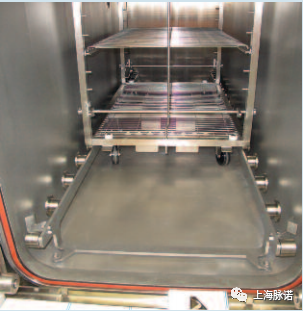
Figure 1: Typical image of a chamber in good condition
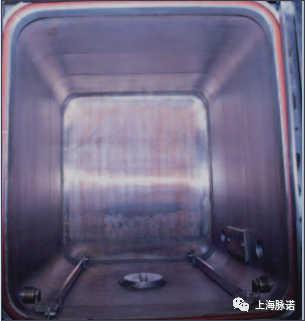
Figure 2: Chamber condition after repeated use (visible discoloration of the chamber)
When medical devices are reprocessed, they are sterilized in steam sterilizers that are specifically optimized for the task at hand. As a generally accepted concept, steam sterilization is a well-researched and reliable processing method. In the technical design of the chamber, high-alloy austenitic stainless steel alloys such as 1.4301, 1.4404, 1.4571 and other similar alloys are used as construction materials. Figures 1 and 2 show an example of a typical steam sterilizer, where the interior of a flash sterilization cabinet can be seen.
In many application scenarios, practical operating experience shows that over the service life of the sterilization chamber, undesirable discoloration frequently appears on the polished stainless steel surfaces inside the chamber. These so-called changes to the rust-resistant stainless steel surfaces (see Figure 2) often unsettle the employees responsible for the operation of instruments in the MPPU/CSSD (Medical Product Processing Unit / Central Sterile Services Department). The purpose of this guide is to explain in depth, in certain cases, the extremely complex interrelated causes behind the changes described above, and to demonstrate the various different influencing factors. However, we should first note that these types of surface alterations are usually the result of several different factors, which can even interact with and/or exacerbate one another depending on the individual scenario. When analyzing the causes behind discoloration problems related to unusual deposits on stainless steel surfaces (which vary greatly in terms of individual tenacity), the usual response is to first contact one or more of the following organizations: the building services provider, the WD manufacturer, and the supplier of the process chemicals used. Each of the above contact points selectively addresses the issue of discoloration/(undesirable) films on stainless steel surfaces from its own subjective perspective, and can then respond that its system or product is operating perfectly and bears no responsibility for causing the discoloration. From the operator's point of view, this approach is usually not helpful for the problem analysis that needs to be carried out, nor is it conducive to effectively solving the problem. When analyzing the root cause, it is necessary to first examine the quality of the water supplied to the equipment, as well as the composition of the condensate produced from the sterilization steam. In addition, it is recommended that an expert conduct a chemical-physical analysis of swab/abrasion samples taken from the discoloration on the affected stainless steel surfaces. The interpretation of the results of this analysis will yield preliminary conclusions about the origin and causes of the thin layer. However, even if all the necessary media supply parameters are met, it is entirely possible for permanent films/discoloration to appear on the interior surfaces of the sterilizer chamber. This manual provides basic and supplementary tips and information on the potential causes of surface discoloration, as well as recommendations for dealing with these typically troublesome phenomena.